
Ensuring Safety and Quality The Essential Role of Ship Inspections
- Connect GMOS
- Apr 16
- 3 min read

Ships carry millions of tons of cargo and thousands of passengers across the globe every day. The safety and quality of these vessels are critical to protecting lives, the environment, and valuable goods. Ship inspections play a vital role in maintaining these standards. They help identify potential risks, ensure compliance with regulations, and promote the longevity of ships. This article explores why ship inspections are essential and how they contribute to safer and higher-quality maritime operations.

Why Ship Inspections Matter
Ships operate in harsh environments, facing constant exposure to saltwater, weather, and mechanical stress. Without regular inspections, small issues can grow into serious problems. Corrosion, structural damage, and equipment failure can lead to accidents, environmental disasters, or costly downtime.
Inspections help detect these problems early. They provide a clear picture of a ship’s condition and identify areas needing repair or maintenance. This proactive approach reduces the risk of accidents and ensures ships meet safety standards set by international maritime organizations.
Types of Ship Inspections
Ship inspections cover many aspects of a vessel. Some common types include:
Safety inspections: Check lifesaving equipment, fire suppression systems, and emergency procedures.
Structural inspections: Assess the hull, decks, and superstructure for cracks, corrosion, or deformation.
Machinery inspections: Evaluate engines, generators, and propulsion systems for wear or malfunction.
Cargo inspections: Ensure cargo holds and containers are secure and meet handling standards.
Environmental inspections: Verify compliance with pollution control measures and waste management.
Each inspection type focuses on specific risks and regulatory requirements. Together, they provide a comprehensive assessment of a ship’s safety and quality.
How Inspections Improve Safety
Safety is the top priority in maritime operations. Ship inspections contribute by:
Preventing accidents: Identifying faulty equipment or structural weaknesses before they cause failures.
Ensuring emergency readiness: Confirming that lifesaving gear and fire-fighting systems are functional.
Reducing human error: Verifying crew training and adherence to safety protocols.
Complying with regulations: Meeting standards set by bodies such as the International Maritime Organization (IMO) and classification societies.
For example, a routine inspection might reveal worn-out fire hoses or expired life jackets. Addressing these issues promptly can save lives in an emergency.
Enhancing Quality Through Inspections
Quality in shipping means reliable performance, efficient operations, and protection of cargo. Inspections support quality by:
Maintaining vessel integrity: Regular checks prevent corrosion and structural damage that can compromise ship performance.
Optimizing machinery: Early detection of engine problems reduces breakdowns and fuel consumption.
Protecting cargo: Ensuring cargo spaces are clean, dry, and secure minimizes damage during transit.
Supporting certification: Passing inspections helps ships earn certificates that prove their quality and seaworthiness.
A well-maintained ship not only operates safely but also saves money by avoiding costly repairs and delays.
The Inspection Process
Ship inspections typically follow a structured process:
Preparation: Inspectors review ship documents, previous inspection reports, and regulatory requirements.
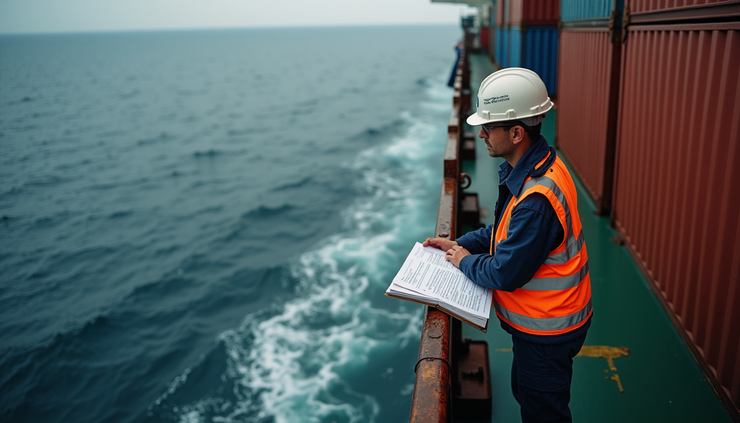
On-site examination: Inspectors physically check the ship’s structure, equipment, and safety systems.
Testing: Some components undergo functional tests, such as engine trials or fire alarm checks.
Documentation: Inspectors record findings, noting any defects or non-compliance.
Reporting: A detailed report is issued, including recommendations for repairs or improvements.
Follow-up: Ships must address issues and may undergo re-inspection to confirm compliance.
This process ensures thorough evaluation and clear communication between inspectors and ship operators.
Challenges in Ship Inspections
Despite their importance, ship inspections face challenges:
Complexity of modern ships: Advanced technology requires specialized knowledge to inspect properly.
Time constraints: Inspections must be thorough but also efficient to avoid delays.
Variability in standards: Different countries and organizations may have varying inspection criteria.
Access difficulties: Inspectors sometimes struggle to reach confined or hard-to-access areas on ships.
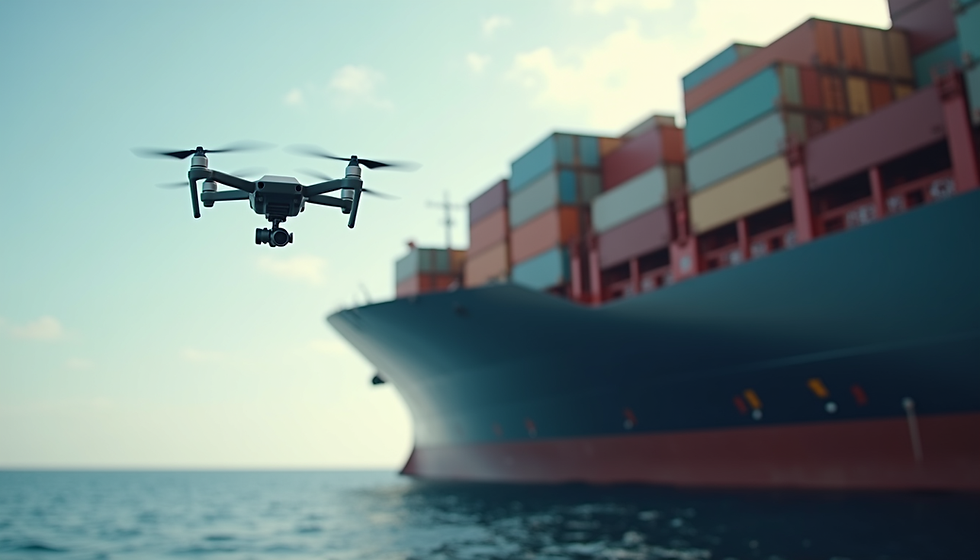
Addressing these challenges requires ongoing training, use of technology like drones or sensors, and international cooperation.
The Future of Ship Inspections
Technology is transforming ship inspections. Innovations include:
Remote inspections: Using cameras and sensors to inspect ships without physical presence.
Data analytics: Monitoring ship performance data to predict maintenance needs.
Automated systems: Robots and drones performing inspections in hazardous or hard-to-reach areas.
Digital records: Streamlining documentation and sharing inspection results electronically.
These advances promise faster, safer, and more accurate inspections, improving overall maritime safety and quality.


Comments